
Micro-dosing Edibles For Anxiety And Focus: A Beginner’s Guide
Micro-dosing edibles for anxiety and focus involves consuming tiny doses of cannabis-infused treats to alleviate tension and enhance concentration. Most novices experiment this way to combat everyday angst or seek a productivity or study boost without an intense buzz or feeling stoned. Gummies or chocolates are simple to divide into small pieces for accurate doses, as low as 2 mg. With micro-doses, they seek consistent peace and sharp cognition, tailored to individual requirements and schedules. Some find that tracking their moods and focus helps identify patterns and tweak dosages. To provide a straightforward roadmap, this guide covers the fundamentals, precautionary steps, and insights to get you started.
Key Takeaways
Micro-dosing cannabis edibles involves consuming very small, controlled doses to improve focus and reduce anxiety. This approach offers therapeutic benefits without causing significant intoxication.
Knowing your cannabinoid profiles, such as the THC to CBD ratio, and sourcing pure, clean products is crucial to optimizing the benefits and having a safe experience.
Starting low, going regular, and monitoring impact are crucial techniques for novices to customize their regimen and reduce side effects.
Mindset, environment, and clear intentions greatly color the microdosing experience. Mindfulness and self-reflection are valuable tools.
Understanding possible concerns, such as tolerance, side effects, and legal aspects, is required for responsible micro-dosing and should inform all cannabis consumption decisions.
For the seasoned micro-dose seeker, investigating practices such as stacking cannabinoids and cycling doses can optimize the longevity of your micro-dosing adventure.
Understanding Micro-Dosing Edibles
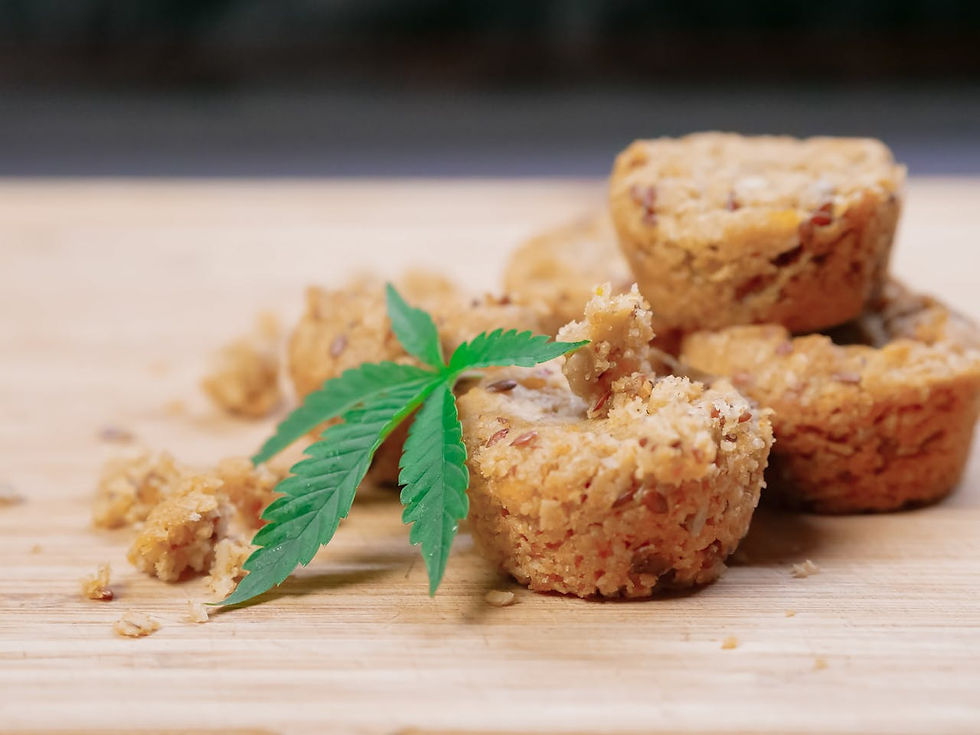
Micro-dosing cannabis involves taking small doses to achieve therapeutic benefits without intoxication. This approach employs gummies or chocolates with micro-doses of THC, usually between 1 and 2.5 milligrams. The idea is to assist with symptoms such as anxiety or difficulty focusing without being under the influence or out of control. Edibles take longer to kick in, typically 45 to 90 minutes, and they linger for up to 6 hours and provide consistent relief. Knowing the precise dose and cannabinoid profile, how much THC and CBD each edible contains, assists consumers in customizing effects to their preference. The Endocannabinoid system in our body reacts to these compounds, assisting in the regulation of mood, stress, and concentration.
The Science
Cannabinoids in cannabis, such as THC and CBD, exert their effects by binding to CB1 and CB2 receptors in the brain and body. This interaction alters the transmission of signals between neurons, which in turn modulates mood, memory, and pain perception. When you micro-dose, those tiny THC doses subtly influence neurotransmitters such as serotonin and dopamine, enhancing mood and keeping anxiety at bay without significant fluctuations in emotion or concentration.
Research has found that low doses relieve anxiety and enhance cognitive function as well, if not better than larger doses. The trick is precise dosing: too much can bring side effects like confusion or sedation. Too little might not help at all.
The Benefits
There are many potential upsides to micro-dosing edibles. They commonly experience improved stress management, enhanced cognitive focus, and heightened creativity. Others find subtle pain relief and improved sleep, particularly with nighttime dosing. The effects tend to be subtle, so the benefits can compound instead of appearing immediately.
Less anxiety and stress
Better focus and productivity
More creativity
Mild pain or inflammation relief
Improved sleep quality
Unlike many medicines, edibles have the least side effects, and they work in a very calm, stable manner.
The Difference
Micro-dosing is different from smoking or consuming larger edible doses. With micro-dosing, the objective is to maintain a clear mind and remain productive, not to get high. While high doses can cause sluggish thought or distort perception, low doses allow users to maintain control and make adjustments as needed. Instead of seeking euphoria, like recreational use, micro-dosing focuses on balance and wellness. The slower onset and longer-lasting effects of edibles make them easier to handle in your day-to-day life, and they’re discreet and don’t involve smoke.
How To Micro-Dose Edibles For Anxiety And Focus
Micro-dosing edibles involves taking very small amounts of THC, often between 1 and 5 milligrams, to help manage anxiety and improve focus without strong psychoactive effects. This approach demands caution and persistence, given the variability of effects depending on your tolerance, metabolism, and the specific edible. If you’re new to micro-dosing, it’s best to approach it in a structured way to safely and effectively discover the right equilibrium for your individual needs.
Schedule Doses
Craft a dosing schedule that matches your day. Some like to dose every other day, some prefer a scheduled dosing every morning. Dosing every other day or a similar rhythm stops tolerance from building and keeps the effects vivid. Think about when you could use the most support—pre-work, social engagements, or stressful assignments. Maintaining a consistent routine, even if it’s loose, facilitates habit-building and aids the body in adapting to micro THC doses.
Track Effects
Record each micro-dosing session in a journal. Record the dose, time of day, and your mood or anxiety beforehand and afterwards. Over the next few days, you might start to notice a pattern of what doses make you feel calm or focused and what doses do not. It is easier to make adjustments when you can track how various doses are impacting your mood and performance. Micro-dosing lets you notice unwanted effects early, so you can adjust before problems develop.
Adjust Slowly
Adjust your dose in small increments, depending on your recorded outcome. Don’t make any large adjustments too soon, as edibles can take up to 2 hours to manifest their full effects. Patience is important; it may take a week or more to sense subtle shifts, particularly if you maintain the dose constant for multiple days. These slow adjustments make it easier to find your sweet spot, which translates to a more stable and enjoyable experience.
Stay Consistent
Consistency in timing and amount of each dose counts. With time, adherence to your plan teaches you more about how your body and mind react. It helps you construct a habit, so it’s easier to observe beneficial changes in anxiety and focus. Setting a routine maintains cognitive clarity and prevents the potential for abuse or negative consequences.
Choosing Your Edible
Micro-dosing edibles for anxiety and focus provides a convenient, discreet, precise method of cannabinoid consumption. Common favorites are gummies, tinctures, and chocolates. Gummies offer consistent dosing and are simple to dose out, whereas tinctures provide more nuanced adjustment and integrate nicely with beverages or meals. Others are “balanced,” so they have some THC but some CBD, which can negate the high from THC for an easier experience. Edible Selection: What’s right for you? This will depend on your comfort level, dietary restrictions, and desired onset time. Edibles typically take 15 to 60 minutes to start working and can last for hours.
Cannabinoid Ratios
The THC to CBD ratio is at the heart of edible effects. A 1:1 ratio means equal parts THC and CBD, which often provides a balance between euphoria and calm. THC-leaning edibles with a smidge of CBD can lead to more prominent psychoactive effects. CBD-heavy products won’t knock you off your feet, which is preferred by people who are sensitive to THC and want to stay focused. Effects can peak within 1 to 2 hours and then gradually taper. Playing with ratios is essential because everyone is different. For example, a balanced 1 1 gummy can help ease anxiety for some, while others may prefer a higher CBD dose for less risk of altered perception.
Ratio (THC: CBD) | Likely Effect on Anxiety | Likely Effect on Focus |
1:0 (THC only) | May increase anxiety | May reduce focus |
1:1 (Balanced) | Reduces anxiety | Mild improvement |
1:5 (CBD-rich) | Strong anxiety relief | Can boost clarity |
Their effects are often smoother with fewer side effects.
Product Quality
The quality of your cannabis edibles directly affects safety and efficacy. Well-known brands tend to have more precise dosing and consistent results. Look for third-party lab reports verifying cannabinoid potency and cleanliness. Top brands offer transparent labeling and batch information, which is key for tracking impact and discovering your favorite products.
Brand Example | Lab Testing | Dose Accuracy | Additive-Free | Batch Info |
Brand A | Yes | High | Yes | Yes |
Brand B | No | Medium | No | No |
Brand C | Yes | High | Yes | Yes |
When you pick trusted sources, you feel more confident and are less likely to experience unwanted side effects. Quality affects the body’s absorption and processing of cannabinoids. Therefore, it’s worth investing in brands with good reputations.
Ingredient Purity
It’s important to scan ingredient lists for purity and omit anything with artificial colors, sweeteners, or preservatives. Organic or all-natural products often use fewer additives and are less likely to give you any unwanted issues. If you have allergies or are on a special diet, for example, you can’t consume gluten, or you’re vegan, make sure edibles are appropriate for your dietary need before to purchase.
Clean ingredients back the healing power of micro-dosing and sometimes help prevent tummy aches. Any amount of unrecognized fillers could affect cannabinoid bioavailability, so it’s important to be aware. Ingredient purity can impact the timing and length of effects, so it’s a factor worth paying attention to.
The Mindset Factor
Mindset is equally important when micro-dosing edibles to overcome anxiety or enhance focus. Mindset isn’t just about mood; it’s the combination of anticipation, emotional state, and preparedness for the experience. One’s internal approach can modify the subjective benefits and sometimes even the objective impact of cannabis micro-dosing. Those who begin with positive intentions and a willingness to experiment typically experience more gratifying results, while negative or anxious attitudes tend to exacerbate undesired side effects. The placebo effect is real here; expectations can shape the experience. Mindset affects tolerance, sensitivity, and forming healthy habits around micro-dosing.
Set
Set refers to your internal landscape: thoughts, emotions, and beliefs at the time you take a micro-dose. A session with a defined, healthy set can open the door to superior results. If you begin in a good headspace—calm, curious, or hopeful—your mind is more receptive to the hope and subtle shifts micro-dosing can provide. Highly stressed or anxious types should exercise caution, as bad vibes can be exacerbated.
Self-reflection counts. Question why you want to micro-dose. Are you looking for calm, keener focus, or reduced stress? Having your goals in mind allows you to tweak your mindset and monitor your progress. Take time to get your emotions and expectations in check before each session. This easy measure can make the journey more graceful and secure, particularly for cannabis novices or hypersensitive smokers.
Setting
Setting is about the world around you—where you are and what’s going on as you micro-dose. A chill, secure zone does wonders. Select a comfortable room, a secluded study, or a tranquil garden nook. The more comfortable you are, the more you can concentrate on the impact instead of being ruffled by static or strain.
Keep distractions to a minimum. Turn off your phone and tell people you’re praying. A quiet environment nurtures relaxation and clears the mind, helping you observe progress. This is important for anxious folks because stressful environments can amplify unease or negate micro-dosing’s advantages.
They discover that mornings or early afternoons, for example, work best. It’s worth experimenting with different environments to find what helps you get the most from your micro-dose.
Intention
Having a clear intention is knowing what you want from the experience. Less anxiety, better focus, a steadier mood? By setting an intention, you cast the mold of your mindset and feed your session’s purpose. This helps orient your behavior and thinking in and beyond micro-dosing.
Think about these goals frequently. If your goal is to stay calm at work, take a moment to check in with yourself around noon. Was it the micro-dose that worked? Are you more attentive? This feedback loop keeps your journey on track and helps you adjust your approach.
A big part is aligning your goals with your well-being. Micro-dosing should complement, not substitute, healthy habits. With intentions in mind, you’re more apt to see the small advantages and incorporate them into daily existence.
Potential Risks And Mitigation
There’s an inherent risk in micro-dosing cannabis edibles for anxiety and focus that every novice and old timer should recognize. Reactions to cannabinoids may vary significantly depending on the person’s physiology, their previous experience with cannabinoid treatment, and their sensitivity to THC and CBD. By being aware of these variables, users are able to formulate strategies that reduce the likelihood of unintended consequences and optimize rewards. Legal issues are another factor, with cannabis laws varying globally and impacting availability, consumption, and possible ramifications.
Side Effects
Mild drowsiness
Anxiety or restlessness
Mild nausea
Headache
Increased heart rate
Impaired coordination
Changes in perception
Difficulty focusing
Staying within micro-doses, something like 1 to 2.5 mg of THC, is a wise approach for novices. Going beyond what your body is ready for or re-dosing too early, particularly within one hour, puts you at increased risk for adverse symptoms such as anxiety or motor impairment. Listen to your body carefully during each workout. If you experience discomfort, don’t up the dose. Maintain that low dose for three attempts, spaced at least 8 to 24 hours apart, before adjusting.
Tolerance
With regular micro-dosing comes the risk of tolerance, where the same dose ceases to have the desired effect. This risk makes it imperative to do what you can to slow tolerance buildup.
Consistent Scheduling: Take your dose at the same time each day to help track changes in response.
Cycling Doses: Take breaks, like two days off a week, to allow your tolerance to reset.
Gradual Adjustments: Change your dose only after multiple stable trials at a set dose.
Monitor Subjective Effects: Use a journal to note effects, side effects, and tolerance changes.
If you think you need to increase your dose, do it slowly. Modify only after thoughtful observation of how your body reacts.
Legal Awareness
Know the law before micro-dosing cannabis. Cannabis edibles laws are inconsistent. Some countries or states limit medical use to a prescription or card. Others have tough consequences for even small quantities. Be sure to research and always check rules on possession and use. Keep informed, as regulations may evolve. If necessary, obtain a medical marijuana card from a qualified provider. Wise usage implies being aware of and adhering to all local laws.
Begin at a low dose and titrate upwards only if necessary.
Keep the same dose for three trials before adjusting.
Never redose within the hour if you don’t feel anything.
If things do go wrong, 50–200 mg of CBD without THC can quickly mitigate any unwanted THC symptomology.
Pair CBD with THC for a potential entourage effect that could alleviate anxiety or other side effects.
Journal your responses to track patterns and adjust accordingly.
Verify it is legal locally and secure any necessary permits.

Beyond The Basics
Micro-dosing edibles is more than just dosing. Advanced practices such as stacking and cycling can optimize your experience, and a customized approach may uncover some long-term benefits for anxiety and focus. Knowing these advanced strategies can help you get the most from your micro-dosing journey while prioritizing safety and effectiveness.
Stacking
Stacking refers to mixing cannabinoids, such as THC and CBD, for synergistic effects or to level out effects. For instance, a 1:1 ratio of THC to CBD, each around 1 mg, is often recommended when starting. It’s intended to capture the healing power of THC alongside the relaxing, non-psychoactive properties of CBD. Others find stacking aids stress, sleep issues, or slight pain without numbing their acuity or their days.
Pairing cannabinoids is not a strict guideline. Some go heavier on CBD and lighter on THC, while others dabble in exotic cannabinoids. How these combos work can be different for everyone. Factors like your metabolism, the type of edible, and your last meal influence how and when the effects kick in, typically anywhere from 30 minutes to 2 hours, with effects peaking between 2 and 4 hours and sometimes lasting as long as 8 hours or more. Always examine the third-party lab results to verify that they have respectable potency and content.
Cycling
Cycling is the act of stepping away from micro-dosing at regular intervals to maintain potency and prevent tolerance. For instance, some micro-dose for five days and then take two days off. Others will do extended cycles, like three weeks on and one week off. It helps keep the body from becoming accustomed to the dose, potentially diminishing benefits over time.
A systematic cycling regimen simplifies the monitoring of your body’s responses. It allows you to detect subtle changes, such as changes in focus, mood, or anxiety. By skipping breaks, you can develop tolerance, requiring you to increase your dose to achieve the same effect, which can cause adverse side effects.
Cycling is most effective in conjunction with routine self-checks. Jot down how you feel each day. It will help you identify patterns and tweak the cycle as necessary.
Long-Term Use
Long-term micro-dosing can bring enduring mental health benefits, particularly when combined with mindfulness and consistent self-reflection. It’s not without risk. Others discover that micro-dosing ceases to be as effective after a period, or that they need to adjust their routine as their life shifts.
Adapting your approach is key. If your micro-dosing motivations evolve from, say, stress relief to enhanced sleep, tweak your dose or cannabinoid ratios. Check in with yourself regularly about objectives and impact.
Responsible use means watching for side effects, such as mood or motivation changes. Keeping tabs on these shifts will allow you to make intelligent decisions and sidestep pitfalls.
Conclusion
When it comes to micro-dosing edibles, keep your doses small and slow. A small amount is all it takes to assist with stress or concentration. Not every edible works the same, so sample one by one and observe your response. Keep track of what works for your mind and mood. Be mindful of your local legislation and consult a medical professional if uncertain. Some sleep better, and others are more focused at work or in school. User anecdotes reflect actual day-to-day life transformations. To join the conversation, share your story or pose a question below. Your voice is what will get others started safe and smart.
Frequently Asked Questions
1. What Are Micro-Dosing Edibles?
Micro-dosing edibles refers to ingesting a minute quantity of a cannabis edible, typically under 2.5 milligrams of THC or CBD. The aim is to experience subtle effects and not to get high.
2. Can Micro-Dosing Edibles Help With Anxiety And Focus?
Others swear by it for reduced anxiety and increased focus. Effects differ. Be sure to take it slow and seek medical advice.
3. How Do I Choose The Right Edible For Micro-Dosing?
Opt for edibles with explicit THC or CBD labeling. Choose products that allow for micro-dosing. Seek out reputable brands with lab-tested outcomes.
4. How Long Do The Effects Of Micro-Dosed Edibles Last?
Micro-dosed edibles have effects lasting four to eight hours. Onset is typically slower than other methods, frequently requiring thirty minutes to two hours to sense effects.
5. Are There Risks To Micro-Dosing Edibles?
Yes, risks can involve unwanted side effects like sleepiness, dry mouth, or paranoia. Start low and see how you react. Consult a doctor if you’re concerned.
6. How Often Should I Micro-Dose Edibles?
How often you consume is up to your needs and response. A lot of folks micro-dose every day or a few times a week. Always observe impacts and adapt accordingly. Seek expert guidance.
7. Can I Build A Tolerance To Micro-Dosing Edibles?
Yes, you’ll build up a tolerance with regular use, so you’ll likely need more to experience the same effects. To reduce this, take breaks or use sparingly.
Edibles Education & Usage Guide
At Dixon Wellness Collective, we know edibles can be an easy, enjoyable way to experience cannabis when you understand how they work. This guide is designed to help you feel confident about dosage, timing, and product selection, so you get a safe and comfortable experience every time.
Our team shares clear information on onset times, how long effects last, and how to choose the right strength for your needs. We explain the difference between THC and CBD edibles, offer tips for beginners, and outline common mistakes to avoid. You’ll also find advice on microdosing, storing products at home, and recognizing how different edible types can affect your experience.
As the first women-led dispensary in Dixon, we’re committed to education that supports your well-being. We update our community in-store and online, which makes it easy to stay informed about new products, learning resources, and responsible-use guidance.
If you want a smoother way to understand cannabis edibles, stop by Dixon Wellness Collective or follow us online for more tips, support, and trusted education.
Disclaimer
The materials available on this website are for informational and entertainment purposes only and are not intended to provide medical advice. You should contact your doctor for advice concerning any particular issue or problem. You should not act or refrain from acting based on any content included in this site without seeking medical or other professional advice. The information presented on this website may reflect only some current medical developments. No action should be taken based on the information on this website. We disclaim all liability concerning actions taken or not taken based on any or all of the contents of this site to the fullest extent permitted by law.


Comments