
Should You Choose Sativa Or Indica For Daytime Use?
Key Takeaways
Here’s what to consider about sativa, indica, and hybrid strains. Each provides different benefits and can have different drawbacks for daytime use.
For daytime energy, focus, or creativity, you’ll want sativa or sativa-dominant hybrids. Indica strains tend to be sedating and are often best used for relaxation or nighttime use.
Today’s cannabis comes in crosses of sativa and indica, so the lines between them have become somewhat blurred. This is why you should instead pay attention to cannabinoid and terpene profiles rather than lean on these traditional labels.
Your body chemistry, tolerance, and daily activities should determine your strain choice for the best experience and productivity.
Begin with small doses of all new strains and increase slowly as you observe your body’s reaction to find the optimal balance of desired effects and undesirable side effects.
Be mindful of possible side effects like distracted focus, heightened anxiety, or couch-lock. Tailor your strain choice and method of consumption according to your personal requirements.
If you want to learn whether sativa or indica is best for daytime use, pay attention to how different types affect your focus, mood, and energy. Sativa strains tend to give you a clear mind and can even make you feel awake or ready to work. Indica strains tend to work as a calming body high. Most of you want to stay sharp or have work to complete during the day. Therefore, choosing sativa might work better. Others get too wired or jittery with sativa, so a light hybrid can smooth it all out. Your own response is what counts. In the next section, we’ll show you how to align a strain to your needs and daily plans.
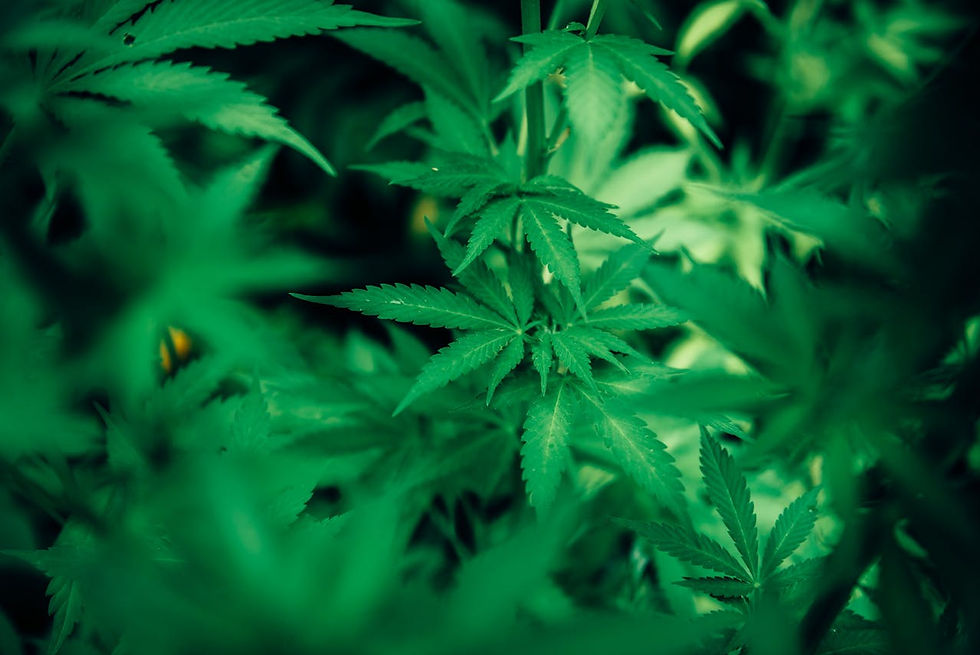
Which Strain For Daytime Use?
Selecting the appropriate cannabis strain to suit your daytime activities requires an understanding of the differences between sativa, indica, and hybrid strains. Each strain has distinct impacts that mold your energy, concentration, and temperament during the day. It really depends on what you want from cannabis — whether that’s energizing you to get more done, helping you chill with relaxing effects, or finding the right strain for balance.
1. The Sativa Expectation
Sativas, known for their relaxing effects, tend to result in a lucid, luminous mind. Many folks prefer a sativa strain in the morning or afternoon when they want to stay awake and alert. This cannabis type is associated with increased creativity and better focus, allowing users to generate ideas more easily or work longer without losing interest. Additionally, sativa strains can make users feel more social and motivated, which is beneficial for work meetings, studying, or creative projects. For individuals battling depression or anxiety, the right sativa strain can provide a light lift that helps ease the mental burden throughout the day. Although sativa edibles are available, they can be potent for new users and may take some time to take effect. Most would agree that a sativa is a safe choice for daytime use due to its ability to keep you active and engaged.
2. The Indica Reality
Indicas like to chill things, providing relaxing effects that can help with chronic pain, anxiety, or tension. The primary effects of this cannabis strain are relaxation, euphoria, and occasionally sleepiness, making it ideal for evening use. While indica is better at night, some individuals might opt for this hybrid strain during the day to keep symptoms at bay. However, taking indica in the morning could lead to fatigue, causing you to become less willing to get going. That is why many people stay away from indica prior to work or studying, as it might not fit the requirements of those looking to maintain energy levels throughout the day.
3. The Hybrid Alternative
Hybrid strains combine sativa and indica genetics, resulting in various cannabis types that deliver unique experiences. Certain hybrids lean more towards the sativa strain, providing an energized high with calming effects, while others are indica-dominant, offering a slight calm with focus. Balanced hybrids serve as a nice middle ground, neither too energizing nor too sedative. When considering what strain is best for daytime use, you may need to experiment with different varieties until you find the right strain that aligns with your goals, customizing your cannabis experience effectively.
4. Your Personal Response
Your body itself plays a significant role in how you respond to each cannabis strain. It's essential to note what works best for you, as some may feel jittery on a sativa strain while others might get too sleepy on an indica strain. Your chemistry, health, and stress levels can all influence the relaxing effects a strain provides from day to day. By listening to your reaction, you can fine-tune your experience and utilize cannabis to help you power through your needs without crippling your flow.
Consider your tolerance and experience level with cannabis.
Think about your planned activities: work, study, socializing, or relaxing.
Note any health needs, like pain or anxiety.
Decide if you want to feel energized or calm.
So be prepared to experiment with different strains and monitor your body's response.
Why Sativa Vs. Indica Is Outdated
The antiquated sativa vs indica split is diminishing in utility and accuracy. I know a lot of you want a straightforward answer when selecting a daytime cannabis product. The reality is, strains aren’t that simple anymore.
Genetic crossbreeding and new farming methods have altered what you see in shops. Most strains now muddy the old distinctions, and your personal effects will vary more by dose, terpene profile, and tolerance than by a label. Even two individuals using the same product can claim contrasting effects, such as one feeling energized and the other anxious. How much you take, your mood, the time of day, and your own biology all influence your result. It’s time to rethink what these classifications really convey. Here’s a closer look at why the sativa-indica divide simply doesn’t cut it anymore.
Strain Name | Traditional Label | Actual Genetics | Noted Effects | Terpene Dominance |
Blue Dream | Sativa | Hybrid (S/I) | Uplifting, calm | Myrcene, Pinene |
Girl Scout Cookies | Indica | Hybrid (S/I) | Relaxed, creative | Caryophyllene, Limonene |
Pineapple Express | Sativa | Hybrid (S/I) | Energetic, focused | Terpinolene, Limonene |
Wedding Cake | Indica | Hybrid (S/I) | Euphoric, sedative | Limonene, Humulene |
OG Kush | Indica | Hybrid (S/I) | Balanced, mellow | Myrcene, Limonene |
A Marketing Myth
Brands and dispensaries use sativa and indica as convenient marketing categories to sell products with, not as accurate descriptors. These words get chosen for marketing because they make shopping easy. This can result in you selecting based on what sounds good, not what really suits your needs.
Tags such as ‘energizing sativa’ or ‘relaxing indica’ seldom align with the science. A lot of users report that the same strain can feel different based on dose or setting. You can buy sativa for focus, but get sleepy or anxious, or vice versa.
If you desire a better result, you need to look beneath surface labels. Try to learn the terpene and cannabinoid profile of each strain. Request lab results or look for user reviews that note effects, not just strain.
Genetic Blurring
Hybridization has led to the creation of numerous cannabis varieties, making it rare to find pure sativa or indica strains. Almost all legal strains now fall into the category of hybrid strains, resulting in a diverse range of effects that can be challenging to predict based solely on the strain name or label. A hybrid strain can provide the relaxation typical of indica strains while also delivering the cerebral buzz associated with sativa plants. This unique blend comes from the plant’s genetics, which determine the chemical profile of compounds like THC, CBD, and terpenes.
When exploring the right strain for your needs, it’s crucial to seek information about a strain’s lineage and cannabinoid profile. Understanding these factors is more significant than simply knowing whether it’s categorized as a sativa or an indica. By delving into the specifics of each cannabis type, you’ll uncover more selections that align with your desired effects, whether you need something for relaxation or energy.
In the evolving cannabis industry, knowing the differences between strains can enhance your experience. As you learn about the potential effects of different varieties, you can make informed choices that suit your personal preferences. This knowledge allows you to select the right strain for various occasions, ensuring that you enjoy the desired benefits, whether it's for sleep support or an energy boost.
Modern Cultivation
Today’s growers use science to breed for taste, smell, and effect. They select for specific cannabinoids and terpenes. Strains can be bred for clear-headed focus, or mellow sleep, or anywhere in between – not just sativa or indica.
Selective breeding alters how strains function. You’re now seeing products targeted for creative energy, stress relief, or deep relaxation, sometimes all from the same plant.
Keep up by reading about new strains. Ask about terpene and cannabinoid profiles to fit your goals, particularly for daytime sessions.
What Truly Defines Effects?
What really defines effects is much less about whether a strain is sativa or indica and instead has a lot to do with the plant’s chemistry. Ancient wisdom would have you believe that sativa would invigorate you and indica would chill you out. Research reveals this to be a flimsy method for anticipating effects. Contemporary strains are frequently hybrids, and the heritage or genetics of a strain seldom correlate with the lived experience. Rather, a strain’s blend of cannabinoids and terpenes informs you much more of what to anticipate. Your own mindset, location, and body chemistry have a big role to play as well, so the same strain can impact people differently.
Key factors that define the effects of cannabis strains:
Cannabinoid content (THC, CBD, CBG, CBN, etc.)
Terpene profile (types, concentration, and synergy)
Individual user biochemistry and tolerance
Set and setting (mindset, environment, time of day)
Lab-tested chemical composition over strain name or type
Cannabinoid Profile
Cannabinoids are the primary chemical class defining cannabis effects, with the sativa strain being particularly known for its energizing properties. THC, or tetrahydrocannabinol, is the most famous cannabinoid, causing the “high” that alters your mood, perception, and energy levels. For daytime use, moderate THC strains like certain cannabis varieties will keep you alert, while high THC can induce strong psycho-activity, which isn’t ideal for focusing. CBD, or Cannabidiol, doesn’t deliver a high but can relieve anxiety or tension, appearing to attenuate the potency of THC.
Other cannabinoids contribute to the experience as well. CBG may enhance focus, while CBN offers mild sedative effects. These compounds interact uniquely with your body’s Endocannabinoid system, making the overall effect vary based on the specific cannabinoids and their ratios. Checking lab results for these compounds provides a clearer understanding of what to expect from each cannabis type.
Terpene Synergy
Terpenes are aromatic compounds in weed. They influence its aroma and flavor, and they alter how cannabinoids affect you. For instance, high Myrcene content greater than 0.5 percent is associated with calm and sedated feelings. Varieties with lower Myrcene of 0.5 percent or less tend to provide better, more energetic effects that are better for daytime activities.
Certain terpenes, such as limonene, are frequently associated with elevated moods and increased concentration. Pinene assists with alertness. How these terpenes blend with cannabinoids can change the entire effect for you.
Terpene | Common Effect |
Myrcene | Relaxing, sedating |
Limonene | Uplifting, energizing |
Pinene | Alertness, focus |
Linalool | Calming, soothing |
Caryophyllene | Stress relief |
The Entourage Effect
About the entourage effect, which is how all the cannabinoids and terpenes in a strain play together, not one or two individually. This is why a full-spectrum cannabis product — one that retains all those compounds — can frequently deliver a stronger, more nuanced effect than one with just THC or CBD. This synergy helps explain why two strains with the same THC level can feel very different.
What works best for you might be a whole product with a spectrum of cannabinoids and terpenes, not a single strong compound. Since everyone’s body is unique, your results may differ based on the mix you select and your individual response.
How To Choose Your Daytime Strain
Selecting a daytime cannabis strain involves a conscious strategy that considers your individual objectives and daily schedule. Understanding the differences between sativa strains and indica strains is essential. Strain selection is not one-size-fits-all; it’s about knowing what you want to accomplish and aligning your choice with your needs.
Desired Outcome
It’s crucial to identify your desired outcome from your daytime cannabis use. If you require a little pick-me-up to keep you awake, push through some data, or maintain mental clarity, consider seeking out a sativa strain or a sativa-dominant hybrid. These cannabis strains are typically associated with stimulating, creative, and clear-headed energy. For those needing to maintain focus during a challenging project, a THC-heavy strain enriched with energizing terpenes like limonene or pinene and low Myrcene can help keep you productive. If your goal is relief from minor pain without feeling overly relaxed or drowsy, a balanced hybrid strain will provide enough calm to keep you comfortable without inducing lethargy.
Your objectives could shift throughout the day. You might need more energy in the morning but crave a calming effect in the afternoon. It’s wise to remap your daytime strain; sometimes, it makes sense to switch up your cannabis type. Always select strains that align with your activities, whether it’s an extended programming marathon, a creative brainstorming session, or simply being social and awake. If you feel uncertain, consult a bud-tender regarding your experience and requirements. They can guide you based on your objectives and knowledge.
Start Low
Begin with a low dose, particularly if you’re testing out a new strain or method. That way, you sidestep side effects or discomfort, like anxiety or lethargy, that interfere with your work or social schedule. Take it easy, even if you’re no stranger to cannabis; different strains and methods can affect you in unfamiliar ways. For beginners, a 10 to 15 percent THC strain is a good place to start, allowing you to observe how your system responds before progressing to more potent varieties.
Wait a minimum of 20 to 30 minutes before dosing again, especially with edibles or concentrates that take longer to onset. If you’re working with oils or edibles, use a scale or other simple tool to measure your dose. Pay attention to how you feel mentally and physically, and make modifications accordingly. This cautious attitude generates confidence and trust in your practice, allowing you to discover your zone while avoiding excess.
Consumption Method
So many ways to vape weed during the day. Smoking and vaping provide rapid effects and can be more manageable, which is ideal if you’re on a strict schedule or need to dial in your dose. Edibles and tinctures take longer to take effect but can last and be discreet for longer, perfect if you want subtle effects to get you through meetings or study sessions.
Various methods alter the speed and duration of your experience. Edibles, for example, can take an hour or more, while inhaled methods are nearly instantaneous. Experiment to find what fits your schedule. Some opt for a vape pen to take micro breaks throughout their day, while others prefer a low-dose edible for consistent, subtle relief. What’s convenient and discreet for you and your setting, particularly if you’re in shared or public spaces.
Journal Checklist
Put the date, time, and strain name each time you test something new.
Note down the dose in milligrams or grams and the method of consumption, such as smoke, vape, edible, or tincture.
Keep track of how long it takes for effects to begin and how long they last.
Capture your mood, focus, and any physical sensations before and after.
Note any side effects such as anxiety, dry mouth, or drowsiness.
Consider if the strain fulfilled your objective that day, such as energy, focus, or pain relief.
Update your notes as time passes to identify patterns and refine your selections.
Consider Your Personal Factors
Choosing between a sativa strain and an indica strain for daytime use is all about understanding yourself. Your energy levels, hormone shifts, and what you need to accomplish all factor in as well. The same cannabis strain can affect two people in wildly different ways. To optimize your cannabis experience, consider your schedule, plans, and even the time of day.
Body Chemistry
Your endocannabinoid system sculpts how cannabis affects you, and it’s not the same for everybody. For example, some users report that a sativa strain offers a smooth, transparent lift, while others feel jittery or wired. Indica strains can cause calm or, in some cases, a stubborn sleepiness that extends into tomorrow. Even a so-called ‘daytime’ or ‘uplifting’ hybrid strain could shock you.
Monitor your responses with a basic journal. Note what cannabis strain, dose, time, and how you felt. Perhaps you find sativa aids your morning focus, but you become anxious at noon. Or maybe an indica you experimented with at night had you sluggish the following day. The patterns emerge when you look closely at the different experiences.
Tweak your selections according to what you discover. Think about your personal factors. If you want to be sharp and present, stay with the right strain that has worked for you. With your body’s chemistry in mind, let that knowledge guide future picks.
Tolerance Level
Your cannabis tolerance is dynamic. It can accumulate quickly if you consume cannabis regularly. A sativa that previously kept you wired might now seem tame. If you’re tolerant, you might require a dose of THC strain that is more potent to feel any impact.
Other times, it’s a nap. Even a few days off can clear your system. After a vacation, you’ll find a new lower dose works again. This can keep you from resorting to stronger strains, which bring their own risks in the daytime.
Choose your strain and dosage to fit your current tolerance. If you’re new, begin low and see how you do. If you consume cannabis daily, check in with yourself once in a while to see if your needs have evolved.
Daily Activities
Reflect on your personal priorities for the day. Got a work day, meetings, or studying? A clear, mild sativa strain can put some pep in your step. Challenge it to an early morning blast to clear out the cobwebs or mid-morning if you need creative fuel. If you need to be social or active, a sativa before getting up and going out can lift your spirits.
For downtime, like watching movies or listening to music post-dinner, an indica strain will keep you at ease. Indicas are best reserved for winding down with less on your plate. They generally make you relaxed and drowsy, not alert or incisive.
Schedule your cannabis use so it synergizes with your day, not battles it. If you smoke an indica too soon, you will be too sluggish. For example, if you are using a potent cannabis strain late at night, it could be difficult to sleep. Aligning the strain with your activities provides you with the greatest likelihood of a positive experience.

Potential Daytime Risks
Daytime weed, whether a sativa strain or an indica strain, can significantly affect your work, study, or daily responsibilities. The risk profile fluctuates with the cannabis strain, dose, individual sensitivity, and the cultural environment in which you consume. Here are some principal risks to consider when determining the right strain for you during these active hours.
Impaired Focus
Certain strains, particularly high-THC varieties, impair reaction time and focus. If you have to analyze data, attend meetings, or run machinery, even minor impairment can lead to errors or hazards. Your immediate memory and judgment may be affected for a few hours after use. These impacts are subtle initially but become apparent during challenging or high-stress scenarios.
If you’re more of a sativa strain enthusiast, many users feel better focus, but it can be all over the place. Sativa with moderate amounts of THC and higher amounts of CBD cause fewer attention issues. Strains such as “Harlequin” or “Sour Tsunami” are typically preferred for their moderate effects and are less prone to inducing mental fog or distraction in smaller doses.
Notice how your mind reacts. If you find yourself losing tasks or feeling spaced out, record which cannabis type and dosage you took. Many users believe that moderation works best. Lighter doses sprinkled throughout the day help keep your mind open and focused. Too much, even of traditional sativa, can still crash your energy or give you a ‘scatterbrained’ feeling that impedes your productivity.
Increased Anxiety
High-THC cannabis, including many common sativa strains, sometimes provokes anxiety, restlessness, or even panic attacks, particularly in sensitive or anxious users. If you’re a cannabis newbie or have experienced anxious reactions in the past, begin with strains that are lower in THC and higher in CBD. CBD is known to help counteract some of THC’s anxiety-producing tendencies, so strains like ‘ACDC’ or ‘Cannatonic’ are better during the day.
Pay attention to your body and mind after each use. If you start to feel tense, jittery, or uncomfortable, try switching strains or decreasing your dosage. Tracking which ones induce calm versus anxiety can help you customize your experience. If you have any pre-existing heart conditions, keep in mind that cannabis can increase heart rate and blood pressure, so be cautious.
Physical Sedation
Indica-dominant strains tend to make you tired or ‘heavy’. During the day, this sedation can get in the way of work, studying, or even basic activities. Even a few of the hybrids can cause lethargy, particularly if taken in large doses or together with alcohol or other sedatives. This can increase the risk of accidents or even blackouts.
Looking to avoid daytime drowsiness and stay in the zone, opt for Sativa or energizing hybrids. Remember that for some individuals, the initial uplifting effects are followed by a ‘crash’ that results in abrupt tiredness or lack of motivation. Just pay attention and adapt. If you experience frequent crashes or grogginess, change strains or cut back to meet your energy and clarity requirements.
Impaired focus and memory issues
Anxiety or panic attacks
Physical sedation and drowsiness
Increased risk of accidents and injuries
Raised heart rate and blood pressure
Long-term dependence
Conclusion
To select a daytime strain, keep it simple. Begin with what you crave. If you’re looking for focus, seek out limonene- or pinene-rich strains. For a buzz, go with something with a clean, cheerful aroma. Should you go sativa or indica for your daytime use? Those tags are off target. Home in on the specifics—smell, taste, and how the strain has performed for you in the past. Your body, your mind, your needs—they’re all involved. Stay in tune with how you feel after each session and refine your selection to suit your personal day. You captain the vessel. For more real stories, tips, and guides, see the balance of our blog and share what works for you most! Your voice forms the follow-up post.
Frequently Asked Questions
1. Can You Use Sativa For Daytime Activities?
Yes, sativa strains are suitable for daytime use. Sativa is associated with uplifting and energizing effects that can keep you alert and focused.
2. Is Indica Suitable For Daytime Use?
Indica strains tend toward sedative effects, making them generally unsuitable for daytime use if you need to be active or working.
3. Does Strain Type Always Determine Effects?
No, the cannabis strain type by itself is not a reliable predictor of effects; it's all about cannabinoids, terpenes, and your personal body chemistry.
4. What Should You Look For In A Daytime Strain?
Look for higher THC strains, particularly a sativa strain with uplifting terpenes like limonene or pinene, for their relaxing effects.
5. Why Is The Sativa Vs. Indica Distinction Outdated?
The sativa strain and indica strain labels don’t necessarily correspond to real impacts, as most modern marijuana is a hybrid strain.
6. How Do Personal Factors Influence Your Choice?
Your age, health, tolerance, and previous experiences with different cannabis types all influence your reaction. It is best to take a small dose of a particular strain initially and see how you respond.
7. Are There Risks To Using Cannabis During The Day?
Yes, using a cannabis strain during the day can make you sleepy or affect your concentration. Be mindful of what you’re doing and don’t use marijuana before driving or operating equipment.
Make Smarter Cannabis Product Comparisons With Confidence At Dixon Wellness Collective
Choosing between cannabis products shouldn’t feel overwhelming. At Dixon Wellness Collective, we make it easier to compare your options side by side so you can find what actually fits your goals, not just guess and hope for the best.
From flower, vapes, edibles, tinctures, and concentrates, each product type delivers a different experience. Some act quickly, others last longer. Some offer precise dosing, while others provide a more traditional feel. We break down how each option compares, including onset time, potency, duration, and overall experience, so you can make informed decisions every time.
You’ll also learn how to compare THC vs CBD products, understand terpene profiles, and evaluate factors like strength, consistency, and convenience. Whether you're deciding between edibles or smoking, vape pens or flower, or exploring advanced concentrates, we help you understand the real differences that matter.
As the first women-led dispensary in Dixon, we’re committed to clear, honest education that puts you in control. No pressure, no confusion, just guidance you can trust from a team that knows these products inside and out.
Stop by Dixon Wellness Collective or check out our online menu to start comparing cannabis products with clarity and confidence.
Disclaimer
The materials available on this website are for informational and entertainment purposes only and are not intended to provide medical advice. You should contact your doctor for advice concerning any particular issue or problem. You should not act or refrain from acting based on any content included in this site without seeking medical or other professional advice. The information presented on this website may reflect only some current medical developments. No action should be taken based on the information on this website. We disclaim all liability concerning actions taken or not taken based on any or all of the contents of this site to the fullest extent permitted by law.


Comments